Category: News

How to Avoid Halloween Hazards


If you’re welcoming ghouls and goblins to your door this Halloween or taking your kids for trick or treating, everyone will have even more fun when care is taken to reduce holiday hazards. Here are some recommendations to keep in mind:

  • Keep pathways and porches well lighted for easy navigation. Look for and remove any tripping hazards such as garden hoses and low potted plants that children may not be able to see.
  • Never use candles as outdoor decorations. People, costumes and pets can easily knock them over and cause a fire. Use small battery-operated lights instead. There are some that look just like small votive candles and provide the same effect without the flame.
  • If using decorations such as dried corn stalks or straw bales, be sure to keep them away from any flames or other possible fire sources.
  • Trick-or-treaters should use flashlights to guide their way from home to home. This will also help them be more visible to drivers. Stick to familiar neighborhoods, and visit only homes where the lights are on.
  • Be sure that any costumes are labeled as flame resistant. This makes them safer, but does not mean they are completely flame proof. Avoid overly long and loose sleeves, and be sure the length allows the child to walk normally.
  • Make sure masks fit properly and allow the wearer to see clearly. Alternatively, face paint is a good option for a safe and fun disguise.
  • Children should refrain from eating their goodies until a parent can examine the treats for opened or damaged wrappers or any off-limits ingredients.

When driving, be on the lookout for trick-or-treaters that may dart out into the street unexpectedly. Drive slowly and cautiously, and make sure your headlights are on.

Happy Halloween from all of us at Pillar To Post Home Inspectors!

Fall is for Fireplaces: 8 Tips for Homeowners

Pillar To Post blog post

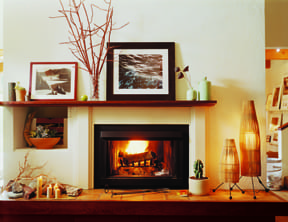
A wood-burning fireplace is a wonderful feature in many homes. Here are some reminders and tips for staying safe and getting full enjoyment from your fireplace this season:

Annual Inspections – Have your fireplace and chimney inspected and cleaned by a professional to ensure that it’s obstruction free and clear of creosote – a black, oily substance that can build up on the inside walls of the chimney. Because creosote is highly combustible, a thick accumulation creates a serious hazard that can put your home at risk of a major fire.

Feeding Your Fire – Use dry, well-seasoned hardwoods in your fireplace. If you choose to use manufactured fire “logs,” never burn them together with real wood to avoid the possibility of dangerous flare-ups.

Plan Ahead – Keep the area around the hearth clear of debris, decorations, and flammable materials. Use a metal mesh screen that covers the opening, whether you have glass fireplace doors or not. Leave glass doors open while a fire is burning to ensure good ventilation and airflow.

When to Clean – During periods of heavy use, clean out the firebox regularly once the embers are cold. Leave about an inch of ash because it acts as insulation, allowing the new fuel to heat faster and retain heat longer. Never use a vacuum to clean up fresh ashes, as embers can smolder for as long as several days after the fire is out, creating a fire hazard.

Upkeep – Check that vents are unobstructed and able to do their job. If you have a fireplace fan, keep it clean. In non-wood burning fireplaces, clean and adjust glowing embers and logs for best appearance.

Cap Your Chimney – Have a cap installed at the top of the chimney to keep animals out, help prevent water damage and keep debris from blocking the opening. A spark arrestor will prevent live embers from escaping the chimney and landing on your roof or on other buildings.

Use Common Sense – Never leave a fire unattended. Make sure the fire is completely out before leaving the house or going to bed, and always keep children and pets away from the fireplace.

Be Community Aware – Many local ordinances prohibit the burning of wood, manufactured logs or pellets on days or nights when the amount of particulate matter in the air reaches a predetermined level. Be sure to check with your local air quality district or fire department before lighting your next fire. Some air quality districts have apps that can alert you when it’s not okay to burn.

Follow these tips and safely enjoy cozy fires all season long.

Boost Buyer Interest and Add Value with Curb Appeal

Pillar To Post blog post

Curb appeal. It’s all about how your home looks to people walking or driving by. But there is no more important audience to attract than potential buyers, who are highly influenced by their first glimpse. If you’re selling, you can boost that first impression by making sure your home looks great before it hits the market. Here are some tips and techniques that can positively affect your home’s curb appeal and perhaps even its value.

Cleanup and Repair – Tackle some basic maintenance and repairs before moving onto larger projects. Clean windows and siding, stow away yard tools and equipment, and clean up dead branches and leaves. Make sure fences, walkways, and the driveway are in good repair, too – a home that looks well taken care of is always more attractive to buyers.

Landscaping – A full landscape overhaul may not be warranted, but the yard, especially in front, should look neat and well maintained. Trim any overgrown shrubs, remove weeds, and tidy up planting areas. A fresh layer of mulch is an inexpensive way to make planting areas look well maintained. If the season is right, add some colorful flowering plants to brighten up around walkways and at the front entrance. It’s an easy and inexpensive way to create an instant welcoming feeling.

The Entrance – The front door is another key element of that all-important first impression. If replacement is cost prohibitive, consider revitalizing a tired, faded door with a fresh coat of paint in a great accent color and swapping out the hardware. Updated house numbers that reflect the style of the home are another impactful but inexpensive addition.

Paint It New – Brighten up the exterior with a new paint job. It’s always best to go with neutral colors that have widespread appeal so that potential buyers won’t be put off by polarizing colors or combinations. Painting the exterior is a significant improvement that can even add to the home’s value. If the existing paint is already in good shape, have the exterior pressure-washed to get rid of accumulated dirt and grime. Have the windows washed inside and out to brighten the overall appearance of the home and to maximize incoming light.

There’s nothing worse than home “lookers” who drive by – and keep right on going because they’ve already decided a home doesn’t appeal to them based on looks alone. With these tips in mind, chances are your home will catch the eye of more potential buyers.

Pre-listing Home Inspections Benefit Everyone


You invest a great deal of time, money, and energy to market your listings, and of course you need to get a good return on that investment. Don’t be caught unaware of problems that could seriously undermine your dedicated efforts to sell a home, or that could keep a property from selling at its highest potential price. One of the best steps you can take to avoid this is to recommend a professional home inspection prior to listing.

A pre-listing inspection can uncover previously unknown problems – major and minor -- allowing sellers the opportunity to make repairs, updates, or replacements as needed or as they wish. By having the home inspected before it goes on the market, you can market the home with greater knowledge of its condition. The inspection report will also give you important information you can use to price the property correctly and maximize its value. A seller that understands any significant shortcomings the home has will likely be more amenable to your advice on which issues to address and how the results of the inspection may affect – positively or negatively – the home’s price and marketability. Being aware of issues in advance will also allow for disclosure of problems when selling, which can result in cleaner offers and a smoother transaction for both parties.

Make sure that the home inspection offered is comprehensive and that the report will be delivered immediately upon completion of the inspection. This allows your sellers to get the information they need right away so they can decide on their next steps prior to having you list the home. Photos should always be part of a professional report so that full documentation of conditions is available to both the sellers and potential buyers, should the seller opt to share this information with them. This can be especially important when it comes to identifying issues that will not be addressed or repaired prior to sale. It’s especially beneficial if your sellers attend the inspection, so they can get first-hand feedback and ask any questions of the inspector during the process. If the sellers choose to repair or otherwise address any issues noted in the report, they should keep receipts and any other relevant records to prove that the work was done. Buyers are more likely to feel confident about making a strong offer on a home that has had already-known problems addressed.

Additional testing outside the scope of a standard home inspection can also be performed, including radon, mold, WDO and other specialized inspection services, giving your sellers and potential buyers even more information. It will also lessen the chance of more surprises popping up later in the home-buying process and possibly slowing a transaction already in progress.

With a professional, comprehensive pre-listing inspection in hand, you can market your sellers’ homes with increased confidence and a better outcome for everyone.